Home repairs always seem to happen at the worst possible time. Learning how to save money on home maintenance can help busy parents catch small problems before they become expensive emergencies.

Juggling school drop-offs, work deadlines, and endless piles of laundry can easily push home maintenance to the bottom of your to-do list. But ignoring that strange noise from the furnace or the tiny drip under the sink can lead to huge headaches and even bigger bills later on. Good news, though: staying on top of home maintenance doesn’t have to be overwhelming. A little proactive care can save you a lot of money and stress, all while protecting your family’s biggest investment.
Seasonal Home Maintenance Checklist
Thinking about home maintenance with a seasonal checklist makes it feel much more manageable. Instead of one giant, intimidating list, you can just tackle a few key tasks every few months. This proactive home maintenance approach helps you catch small issues before they turn into major disasters.
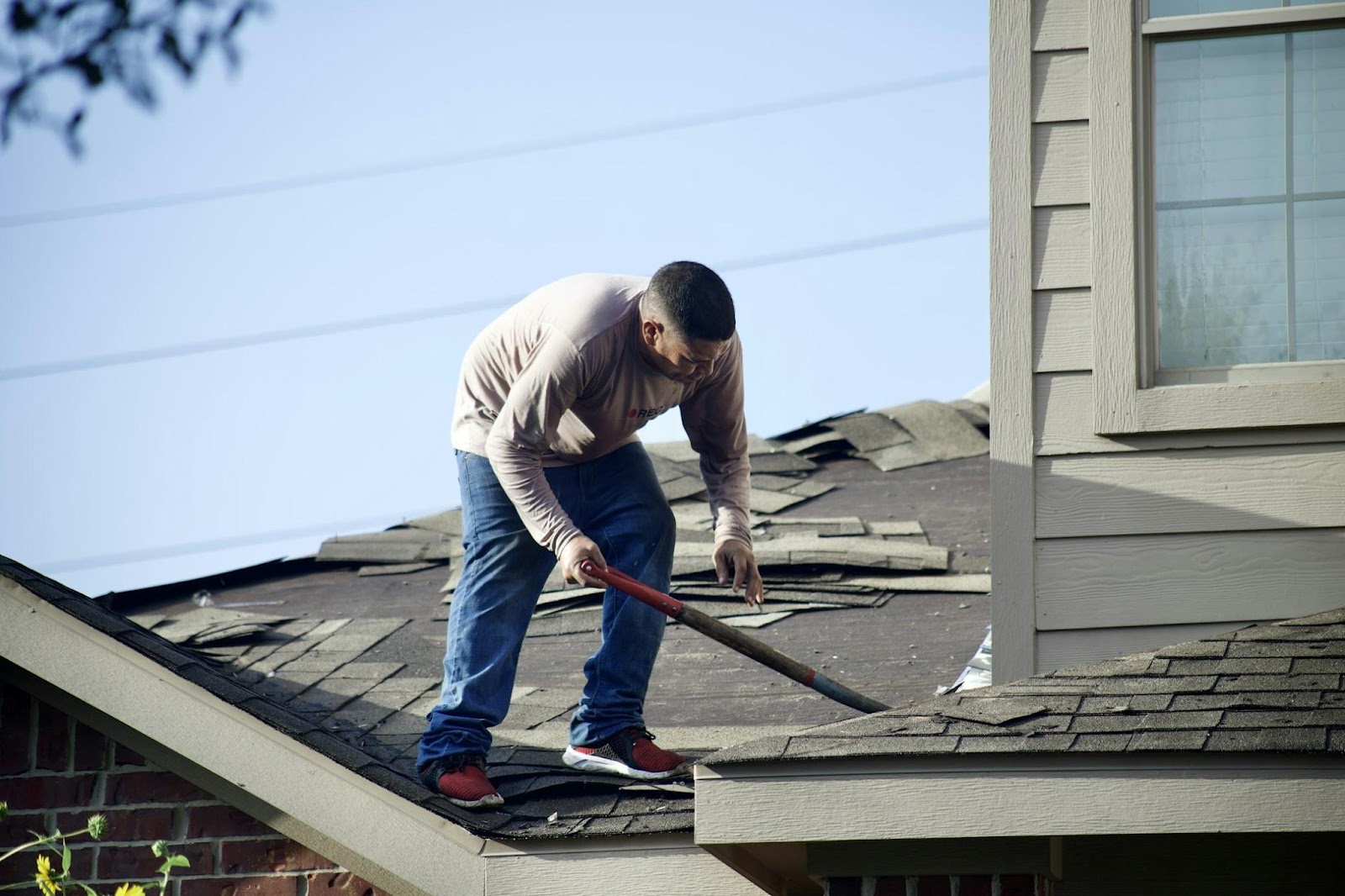
- Spring: After the last of the winter debris has fallen, clean your gutters and downspouts. Check your roof for any missing or damaged shingles. Take a look at the seals around your windows and doors; this stops your air conditioning from escaping.
- Summer: Test your smoke and carbon monoxide detectors and swap out their batteries. Clean your deck or patio and see if it needs any repairs. Check appliance hoses, like the one for your washing machine, for cracks or bulges.
- Fall: Get your furnace inspected before the cold weather hits. Rake leaves and clear any debris away from your home’s foundation and your outdoor AC unit. Peek into your attic for any signs of leaks or pests.
- Winter: Insulate any exposed pipes in your basement or crawl space to keep them from freezing. Check for drafts around windows and doors and add weatherstripping where it’s needed.
DIY Fixes Versus Professional Help
Knowing when to roll up your sleeves and when to call a pro is key to saving money without making a bigger mess. Some tasks are simple enough for anyone to do, while others really need special tools and know-how.

A good rule of thumb is to think about the risk. If you mess up, what’s the worst that could happen? Patching a small hole in the drywall is a great DIY project; a mistake there is easy to fix. But most electrical and major plumbing work? That should really be left to licensed professionals.
The risk of fire, flood, or getting hurt is just too high. Also, consider if you have the right tools and enough time to do the job properly. Sometimes, paying a pro is actually cheaper than buying a tool you’ll only use once, or spending three weekends on a project they could finish in two hours.
Keeping Your HVAC System Efficient
Your heating, ventilation, and air conditioning (HVAC) system works incredibly hard in your home, and it’s also a big part of your utility bills. Keeping it running smoothly is a huge money-saver. One of the easiest and most effective things you can do is change your air filter regularly, at least every three months. A clogged filter makes your system work harder, which drives up energy costs and wears it out faster.
Beyond changing filters, make sure the area around your indoor and outdoor units stays clear of furniture, toys, and debris so air can flow freely. For everything else, scheduling an annual tune-up with a company that provides professional HVAC services is a smart move. A technician can clean the parts, check refrigerant levels, and spot potential problems before they cause your system to completely break down on the hottest day of summer.
Preventing Costly Plumbing Disasters
Water damage can be one of the most destructive and expensive home repairs out there. Luckily, many plumbing disasters can be avoided with just a little attention. First, learn where your main water shut-off valve is. If a pipe ever bursts, being able to turn off the water quickly can save you thousands of dollars in damage.
Once a month, do a quick check under all your sinks and around your toilets for any signs of moisture or slow drips. A small leak might not seem like a big deal, but it can waste a surprising amount of water and lead to mold growth and wood rot over time. Also, be careful about what goes down your drains. Avoid pouring grease, coffee grounds, and other solids down the kitchen sink, as they can create stubborn clogs. A simple drain strainer can catch hair and soap scum in the shower, preventing slow drains and the need for a plumber.
Budgeting for Unexpected Repairs
Even with the best maintenance plan, unexpected repairs will happen. A water heater can fail, or an appliance might suddenly give out. Instead of letting these surprises wreck your family’s budget, plan for them by creating a dedicated home repair fund. Financial experts often suggest setting aside 1% to 4% of your home’s value each year for home maintenance tasks and repairs.

Having a separate savings account for these costs can make it easier to resist dipping into the funds for other things. You can set up an automatic transfer of a small amount from your checking account each month. That way, when a repair pops up, you have the money ready to go without having to rely on credit cards or scramble to find the cash. These tips to budget for home maintenance can help you build a solid financial cushion.
Being proactive and planning ahead helps you manage home repairs without the financial panic. This approach not only saves you money but also gives you the confidence that you’re protecting your home and family.

Jessi is the creative mind behind The Coffee Mom, a popular blog that combines parenting advice, travel tips, and a love for all things Disney. As a trusted Disney influencer and passionate storyteller, Jessi’s authentic insights and relatable content resonate with readers worldwide.