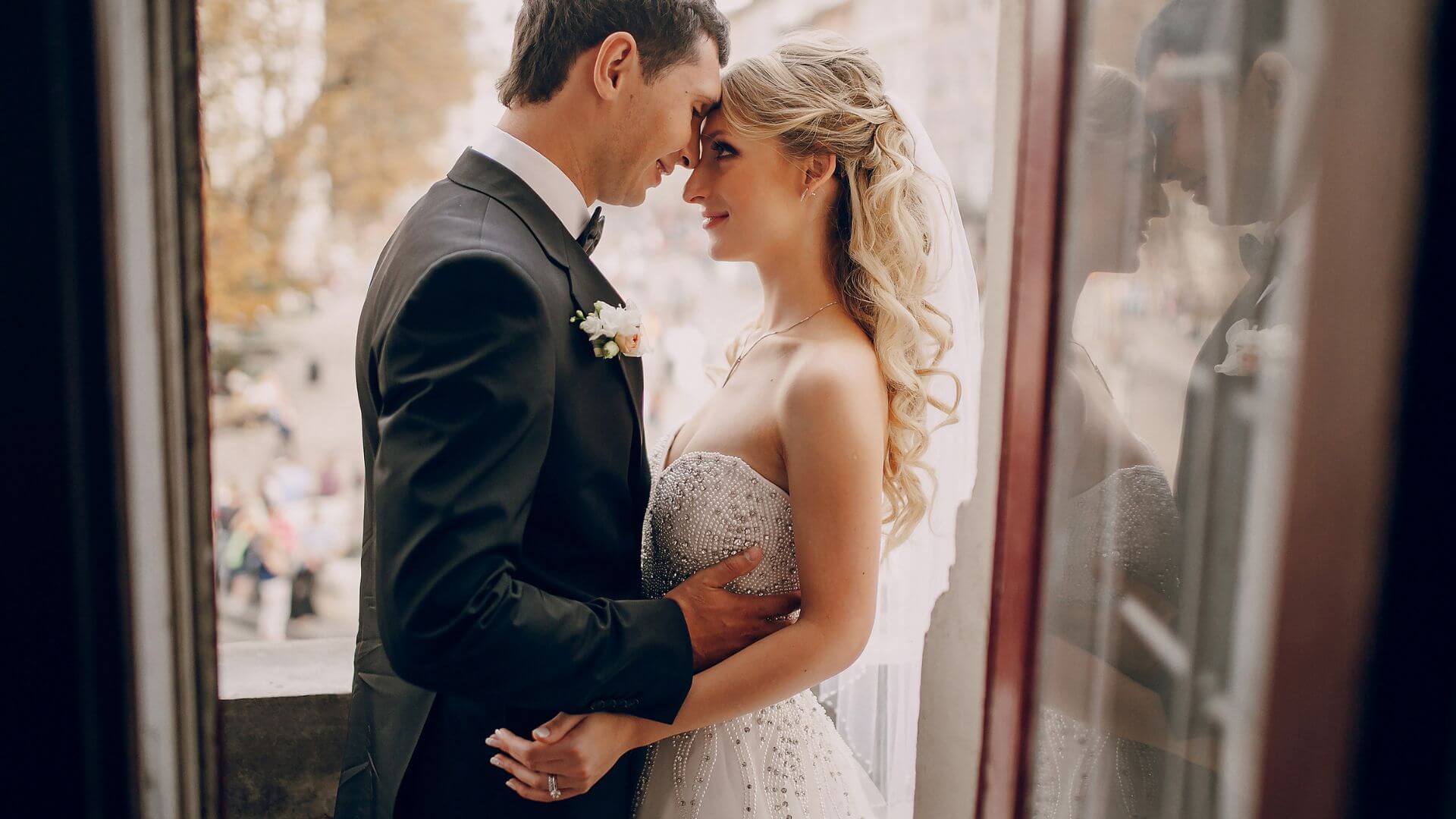
A film wedding videographer can capture something digital footage struggles to recreate: the imperfect feeling of an old family movie. Before booking one, however, it helps to understand what real film involves and what you’ll actually receive.

A film wedding videographer can give you something digital video simply can’t recreate: the imperfect, nostalgic feeling of an old home movie. If you are planning your wedding and wondering whether film is actually worth considering, there are a few things you should know before you book.
Wedding photography has been embracing film for years, and now that same nostalgic look is making its way into wedding videos. From Super 8 footage to hybrid film-and-digital wedding films, couples want ways to make their memories feel personal instead of overly polished.
So, is film better than digital? Honestly, it depends on how you want your wedding memories to feel.
What Is a Film Wedding Videographer?
A film wedding videographer captures your wedding using actual motion-picture film rather than recording everything digitally. You may hear terms like Super 8, 8mm, or 16mm when looking at different film options.
And yes, there is a difference between shooting real film and simply adding a “film look” to digital footage.
Real film has its own texture, grain, colours, movement, and little imperfections. Those imperfections are actually part of what makes it so appealing. Instead of every frame looking perfectly crisp and identical, the footage can feel softer, warmer, and more like something you discovered in an old family collection.
A Real-World Example of the Film Look
If you want to see how this looks in an actual wedding film, explore Lauren Laskin Films. Her work combines digital footage with Super 8 and 16mm film, showing how different formats can work together within one wedding story instead of replacing digital coverage altogether.
That distinction matters when you are comparing wedding filmmakers. Before booking, ask whether “film” means actual film stock or a digital effect designed to look like film.
Why Are Couples Choosing Film Over Digital?
I completely understand the appeal. Your wedding day is probably going to be full of perfectly planned details, carefully chosen outfits, flowers, decorations, and a million little decisions.
But when you look back years later, you may not care quite as much about whether everything looked perfect.
You will probably care about how it felt.
Here are some of the biggest reasons couples are drawn to film wedding videography.
1. Film Has a Nostalgic, Home-Video Feel
There is something incredibly charming about the look of an old home video.
Film grain, softer images, natural movement, and slightly imperfect exposure can make wedding footage feel like a memory rather than a production.
That is especially appealing if you love vintage photography, disposable cameras, old family movies, or the current return of all things analogue.
A home video-style wedding video can capture tiny moments that don’t necessarily look “perfect” but end up meaning everything.
2. It Can Feel More Personal
Digital video can be beautifully cinematic, but film has a different emotional quality.
A quick shot of your grandmother laughing at the reception, your friends dancing badly, or your partner trying not to cry before the ceremony can become even more meaningful when it has that nostalgic film texture.
The goal isn’t necessarily to make your wedding look like a movie.
It is to make it feel like your movie.
3. It Encourages More Intentional Shooting
Film isn’t unlimited in the same way digital recording can be.
Because physical film needs to be processed and scanned, shooting on film requires more intention. A filmmaker has to think about what moments are worth capturing instead of simply recording everything continuously.
That doesn’t mean important moments have to be missed. It means the filmmaker is making deliberate choices about the story being created.
And if you are already someone who likes the documentary approach to photography or video, that can be a huge plus.
Super 8 Wedding Video: What Does It Actually Mean?
If you have been researching film wedding videos, you have probably seen Super 8 everywhere.

Super 8 is a vintage motion-picture film format that has been loved for its nostalgic, grainy appearance. It is particularly popular for wedding highlights because it can create an intimate, old-school feeling without requiring an entire wedding to be shot on film.
You may also come across 16mm film. In general, 16mm offers more resolution and detail while still retaining the distinctive character of shooting on film.
So, is Super 8 the same as Digital?
Nope.
A Super 8 camera physically records images onto film stock. That film then needs to be processed and scanned before it can be edited into a modern wedding film.
This is one reason the final result has a different character from ordinary digital footage.
It is also why you should ask exactly what a videographer means when they advertise a “Super 8 wedding video”.
Film vs. Digital Wedding Videography: Which Is Better?
This is where I would stop looking for one universal answer.
| Film | Digital |
| Nostalgic, organic look | Clean, crisp image |
| Natural film grain | Highly controlled image |
| Great for atmosphere and emotion | Excellent for extensive coverage |
| Creates a vintage/home-movie feel | Flexible for ceremonies and speeches |
| Requires processing and scanning | Easier digital workflow |
| More intentional shooting | Can capture long stretches continuously |
| Wonderful for highlight films | Great for complete documentation |
Neither format is automatically better. They simply do different things well. If you want every word of your ceremony, every speech, and hours of reception coverage documented, digital can be extremely useful.
If you want a short, emotional film that feels like something you might discover decades from now, film may be exactly what you are looking for.
And you don’t necessarily have to choose one.
Why Hybrid Film and Digital Wedding Videos Are So Popular
This might actually be my favourite option for couples who are unsure.
A hybrid wedding film combines the flexibility of digital video with the distinctive look of film.
You can have digital footage handling longer portions of the day, while Super 8 or 16mm is used for emotional, artistic, or atmospheric moments.
That gives you the best of both worlds.
For example, a filmmaker might use digital footage for your ceremony and speeches while using Super 8 for getting ready, portraits, dancing, candid interactions, or other visually emotional moments.
Some wedding films use several formats intentionally to create different visual moods within the same story. Lauren Laskin Films, for example, showcases wedding films combining digital, Super 8, and 16mm footage.
How Much Does a Super 8 Wedding Video Cost?
This is probably the question everyone wants answered.
Unfortunately, there isn’t one standard wedding film cost.
The price can vary based on things like:
- How many hours of coverage do you want
- Whether the package includes digital footage
- How much Super 8 or 16mm film is included
- Film processing and scanning
- Editing time
- The length of the finished film
- Audio recording
- Travel
- The filmmaker’s experience and style
So instead of asking only, “How much is a Super 8 wedding video?” ask what is actually included in the package.
A cheaper package isn’t necessarily a better deal if it gives you very little film, limited coverage, or fewer final deliverables.
And if a filmmaker doesn’t publish pricing, don’t automatically assume something is wrong. Some wedding filmmakers provide customised pricing based on the wedding and coverage requested.
If you want to discuss coverage and pricing directly, you can visit the Lauren Laskin Films inquiry page to send an inquiry.
5 Things to Ask Before Booking a Film Wedding Videographer

Before you put down a deposit, I would ask these questions.
1. Are You Shooting Real Film?
This is probably the most important question.
Find out whether the filmmaker is using actual Super 8 or 16mm film or simply applying a digital film effect during editing.
Both can look beautiful, but they are not the same thing.
2. How Much Film Is Included?
Ask whether the package includes a specific amount of film coverage.
You don’t need to become a film expert, but you should understand what you are paying for.
3. Is Digital Coverage Included?
If having your full ceremony, speeches, or other long moments documented matters to you, ask about digital coverage.
A hybrid package may make much more sense for your wedding than choosing film exclusively.
4. How Is Audio Recorded?
Beautiful visuals are wonderful, but you don’t want to watch your wedding film ten years from now and realise you can’t hear your vows.
Ask how the filmmaker records audio for the ceremony, speeches, vows, and other important moments.
5. Can I Watch Full Wedding Films?
Instagram and TikTok are great for getting a quick feel for someone’s style.
But don’t book someone based only on a 20-second highlight.
Ask to see complete wedding films whenever possible. Pay attention to how the filmmaker handles quiet moments, family interactions, speeches, transitions, and the overall story.
Don’t Forget About the Rest of Your Wedding Story
Your wedding video is only one part of how you preserve the day.
The little details matter too. From your dress and accessories to the venue decorations and reception details, all those choices become part of the story you will remember later.
Conclusion
If you are drawn to the soft, nostalgic look of film, love candid moments, and want your wedding video to feel personal rather than overly polished, a film wedding videographer could be a wonderful choice. But don’t choose a film just because it is trendy.
Choose it because you genuinely love the way it looks and feels.
And if you want the emotional character of film without giving up the flexibility of digital, ask about a hybrid approach. You can have the complete documentation you want while still getting those beautiful Super 8 or 16mm moments that make the final film feel timeless. At the end of the day, your wedding video isn’t really about the camera. It is about remembering how your people laughed, cried, danced, hugged, and celebrated with you.
FAQ
A film wedding videographer records your wedding on actual motion-picture film, such as Super 8 or 16mm, instead of relying entirely on digital video. The footage is later processed and scanned for editing.
Super 8 offers a softer, grainier, nostalgic look, while digital video provides cleaner images and more extensive coverage. The better choice depends on whether you value film character or complete documentation.
The cost varies based on coverage hours, film format, amount of film included, processing and scanning, editing, audio, travel, and the finished film’s length. Compare what each package includes rather than price alone.
Yes. A hybrid wedding film uses digital video for longer coverage, such as ceremonies and speeches, while Super 8 or 16mm captures candid, emotional, and atmospheric moments.
Ask if they shoot real film, how much film is included, whether digital coverage is part of the package, how they record audio, and whether you can watch complete wedding films before booking.

Jessi is the creative mind behind The Coffee Mom, a popular blog that combines parenting advice, travel tips, and a love for all things Disney. As a trusted Disney influencer and passionate storyteller, Jessi’s authentic insights and relatable content resonate with readers worldwide.