
When a young athlete stops enjoying a sport they once loved, the problem may go deeper than motivation. Athlete burnout in youth sports can develop when training, competition, school, and pressure leave too little time for recovery.

A young athlete who suddenly loses enthusiasm for practice is not necessarily lazy or uncommitted. Burnout can develop when physical training, competition, school, travel, and pressure pile up without enough recovery. Coaches are often among the first adults to notice the change. Responding well means looking beyond performance and figuring out what is making the sport feel exhausting rather than rewarding.
Learn What Burnout Looks Like
Burnout does not always look like complete exhaustion. A player may still attend every practice while becoming unusually irritable, withdrawn, or frustrated. Others start making mistakes they rarely made before, complain about persistent soreness, struggle to concentrate, or stop showing excitement after a good performance.
Changes outside the sport matter too. Trouble sleeping, declining school performance, frequent headaches, or anxiety before practices can signal that an athlete is carrying too much stress. One bad week does not necessarily indicate burnout. Coaches should pay closer attention when changes persist or several signs appear together.
Have a Conversation Before Increasing the Pressure
When performance drops, adding extra drills or conditioning can make the situation worse. A private conversation may reveal what is actually happening.
Ask open questions about how the athlete feels physically, what practices have been like lately, and whether anything about the sport has become stressful. Avoid turning the conversation into an evaluation of effort.
Parents should be part of the discussion when appropriate. They may know that the athlete is also dealing with difficult classes, poor sleep, family stress, or an overloaded schedule. Sharing that information can help adults make better decisions about training.
Adjust the Workload Without Removing All Structure
Recovery does not always require leaving the team. Sometimes a temporary reduction in training volume is enough. A coach might shorten certain sessions, reduce repetitive drills, modify conditioning, or give an athlete additional recovery days.

The competitive environment may need attention as well. Youth sports can become heavily focused on rankings, statistics, scholarships, and winning. Even visible features such as tournament brackets and football scoreboards for sale reflect how easily attention can center on results. Coaches can counter that pressure by recognizing decision-making, teamwork, skill development, and effort during practice.
Protect Recovery Away From Practice
Young athletes need time when they are simply off. Sleep is especially important because training creates physical stress that the body needs time to repair. A schedule packed with practices, private lessons, tournaments, schoolwork, and other commitments can leave little room for that recovery.
Coaches should also consider whether athletes are specializing too early or competing year-round without meaningful breaks. Time away from organized training can allow physical soreness to settle and give athletes space to miss their sport.
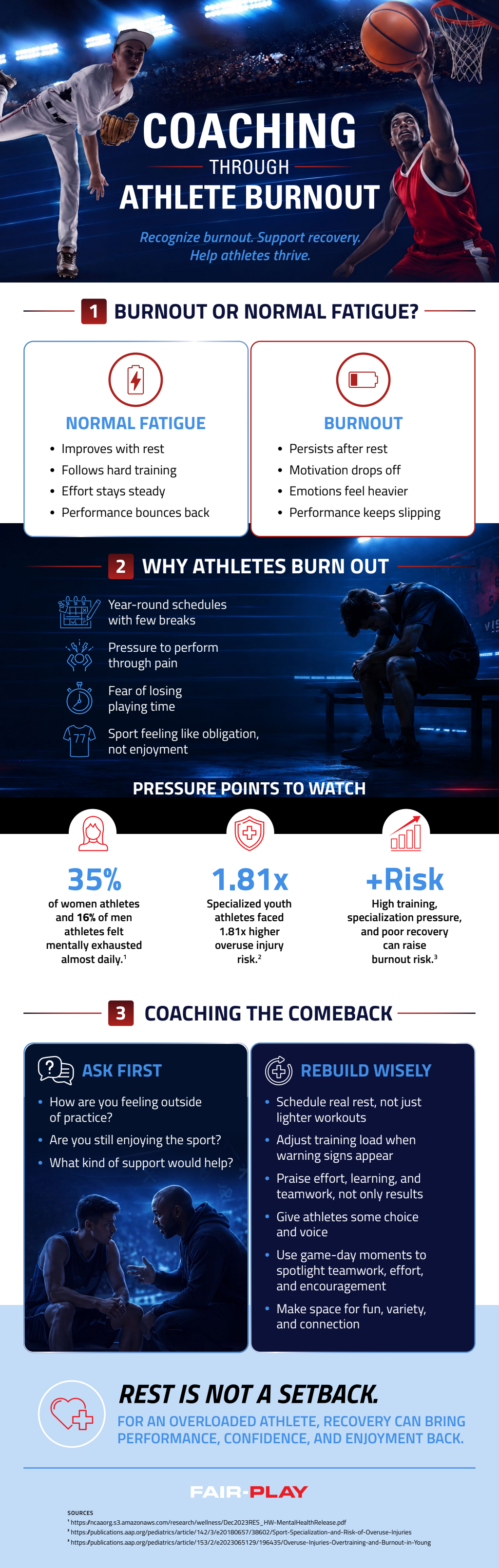
Good coaching includes knowing when pushing harder will no longer produce a better athlete. Burnout is often a sign that the demands surrounding a sport have exceeded the athlete’s capacity to recover from them. Coaches who notice those changes early, communicate with families, and adjust workloads can protect both performance and well-being. Look over the infographic below to learn more.

Jessi is the creative mind behind The Coffee Mom, a popular blog that combines parenting advice, travel tips, and a love for all things Disney. As a trusted Disney influencer and passionate storyteller, Jessi’s authentic insights and relatable content resonate with readers worldwide.